
Gallery
A Seaborne Citizenry: The DeBraak and Its Atlantic World
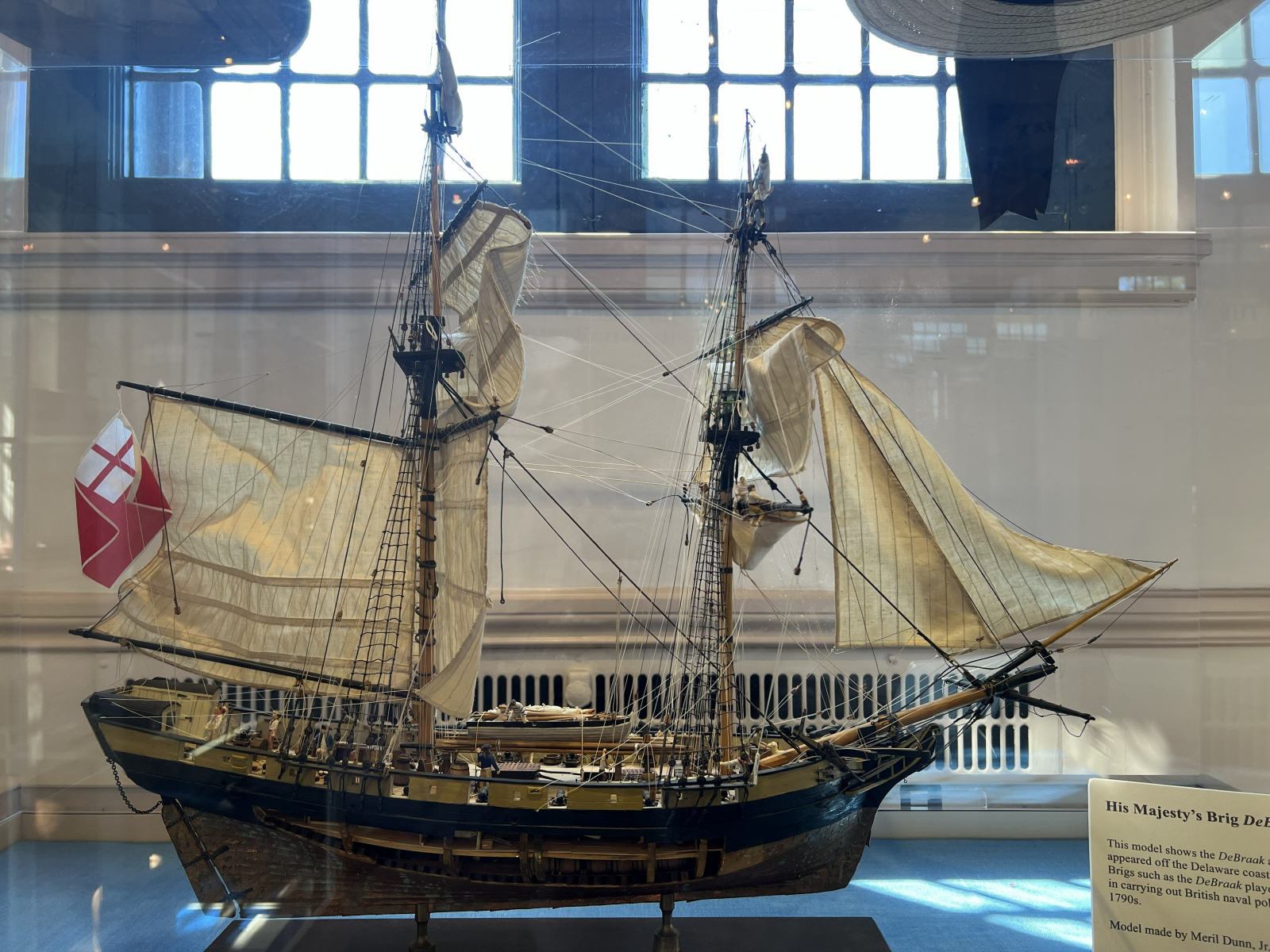
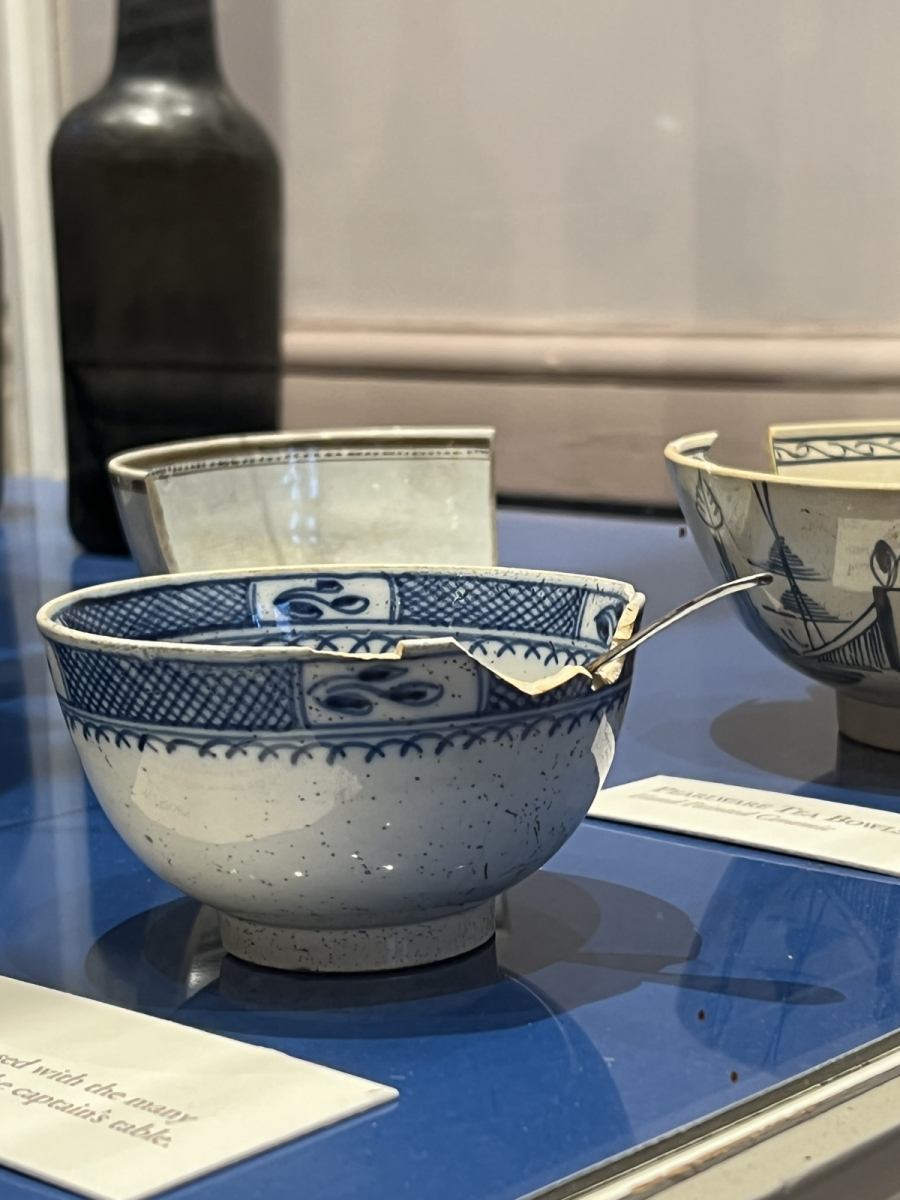
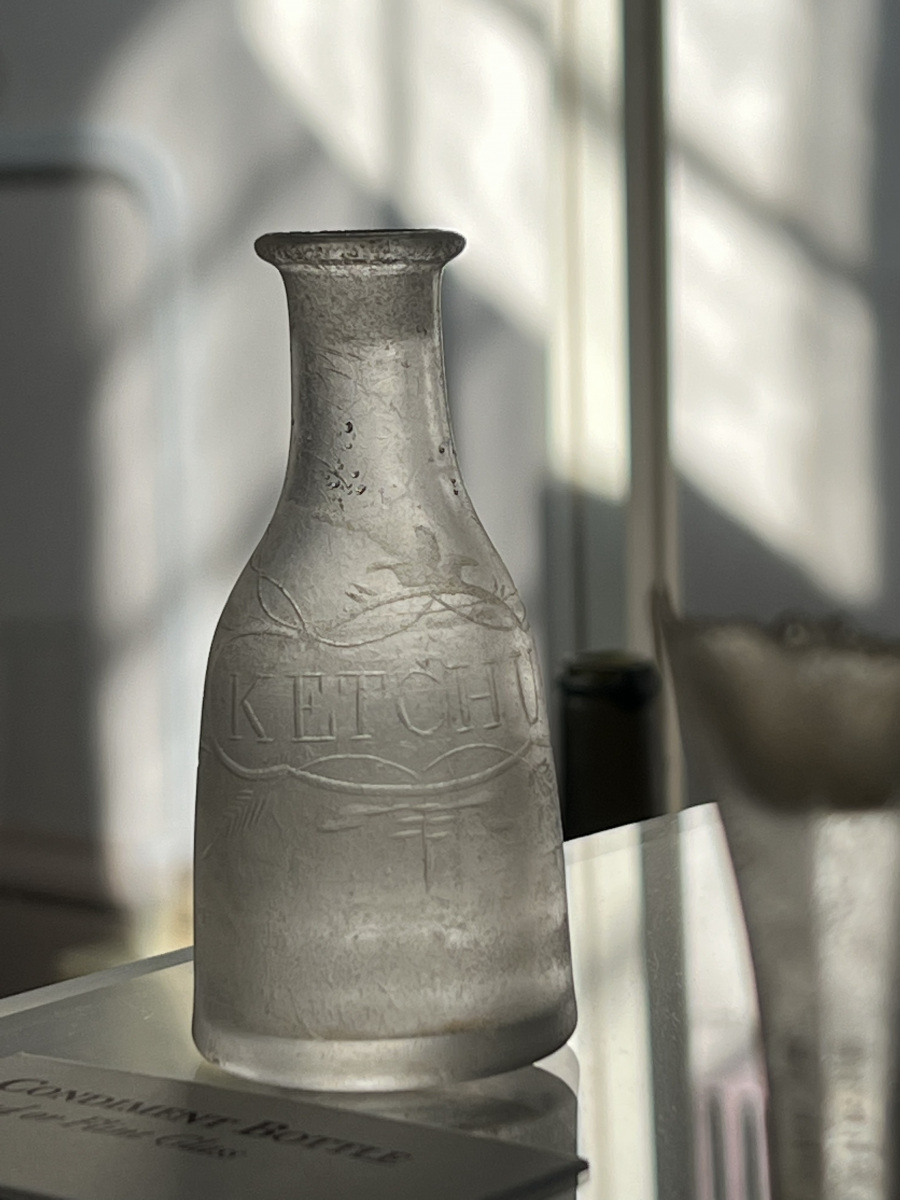
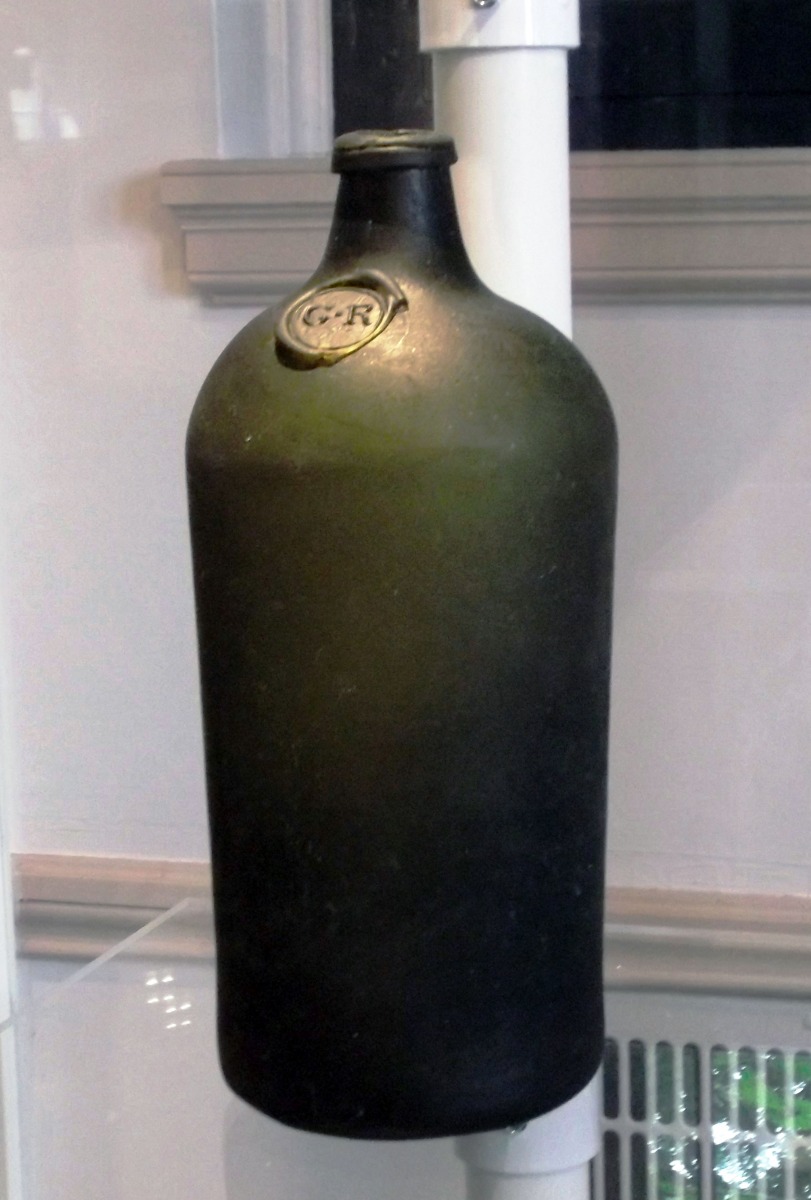
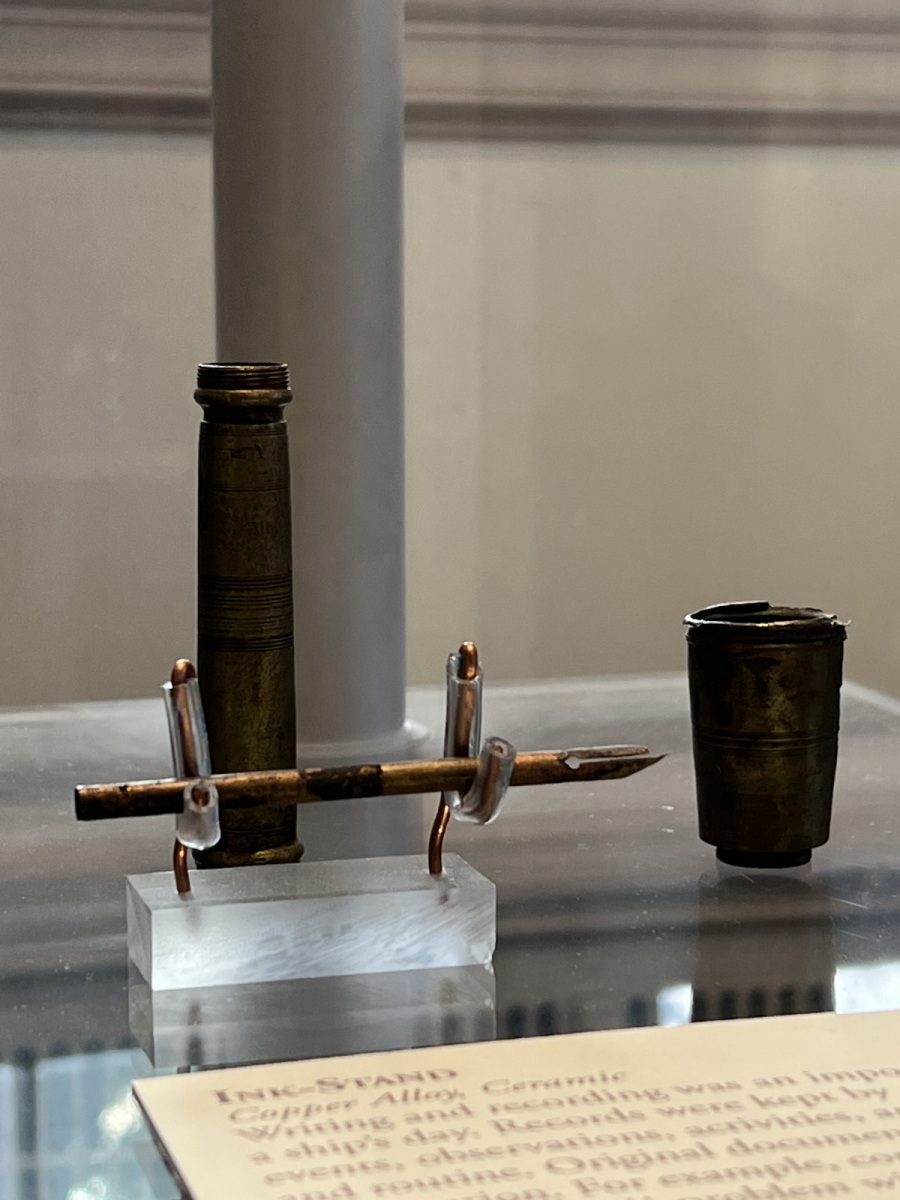
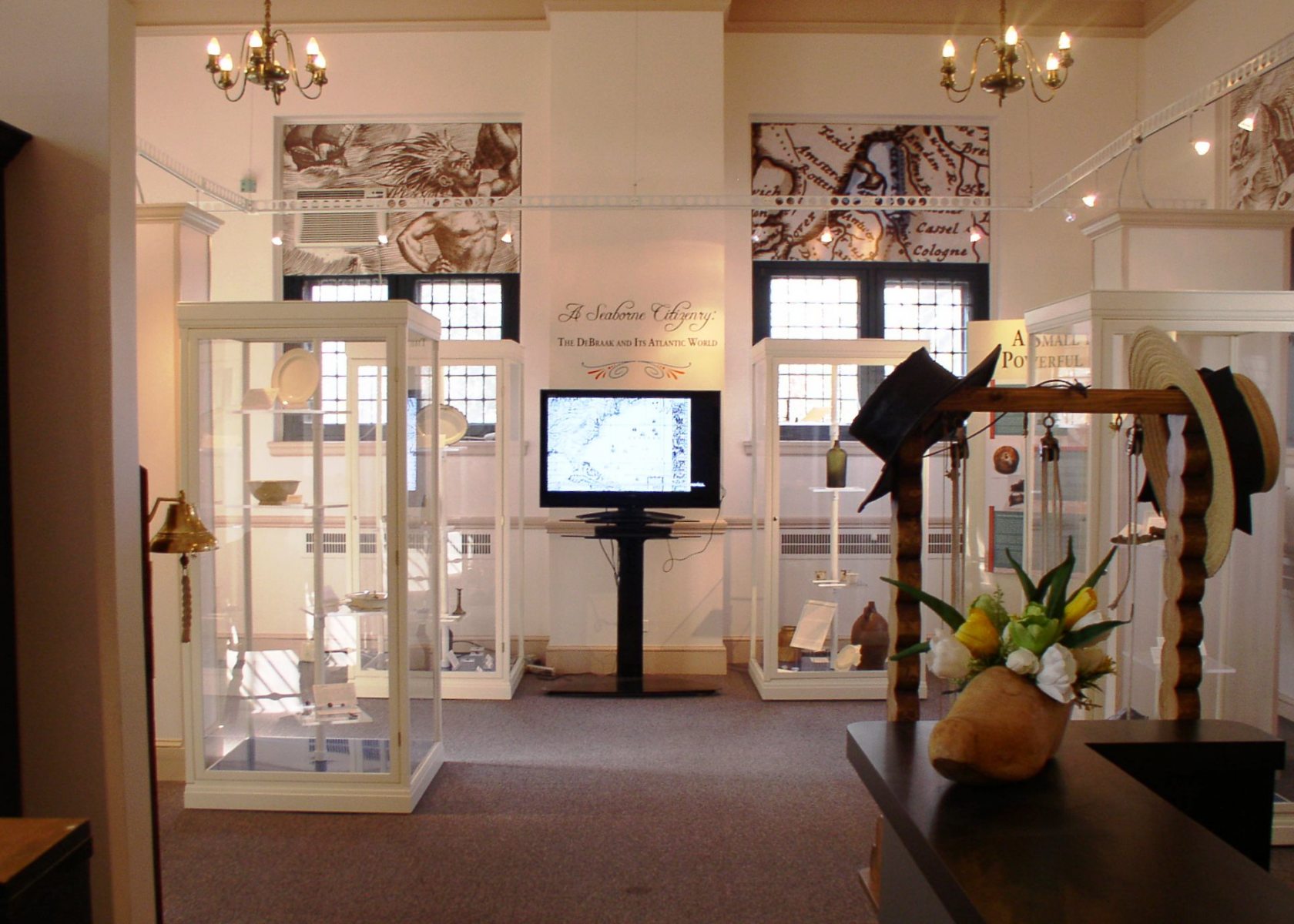
“A Seaborne Citizenry: The DeBraak and Its Atlantic World” explores His Majesty’s Sloop of War DeBraak, a British warship that was escorting and protecting a convoy of British and American merchant ships en route to the United States when it was capsized and lost off the Delaware coast on May 25, 1798. The remaining section of the ship’s hull and associated artifact collection have been curated by the Delaware Division of Historical and Cultural Affairs since they were acquired by state of Delaware in 1992. This exhibit can be found on the first floor of the Zwaanendael Museum.
Delaware Railroads: Elegant Travel and Timely Transport
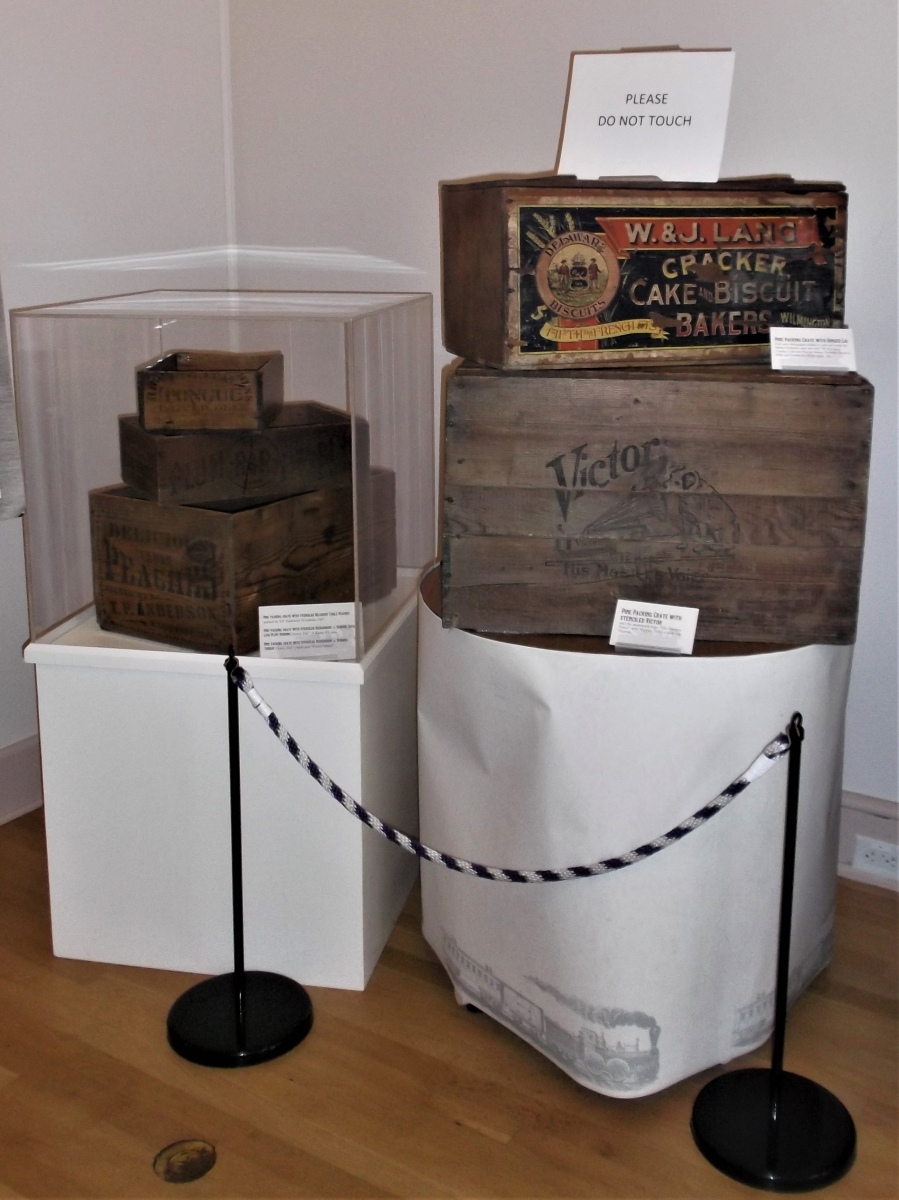
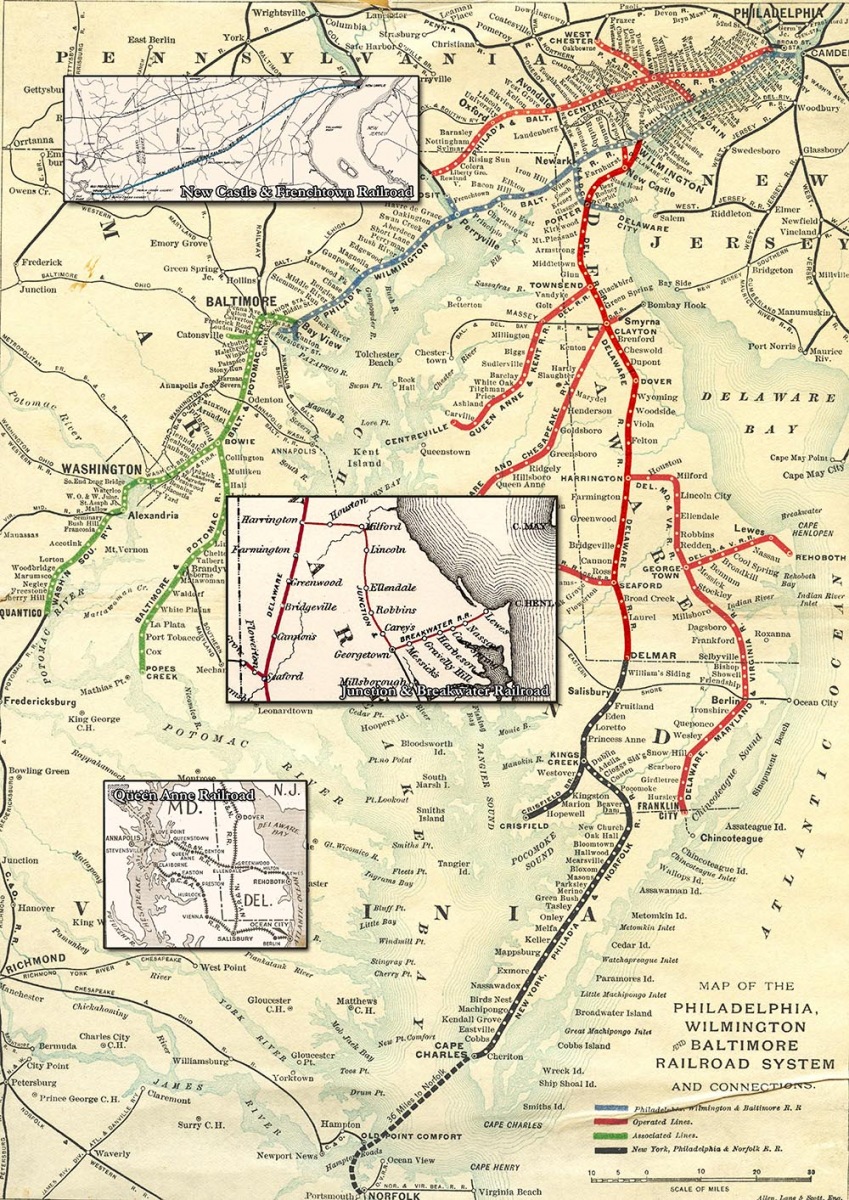

Featured exhibit “Delaware Railroads: Elegant Travel and Timely Transport” focuses on the economic growth, development and prosperity resulted from the construction of railway lines in Delaware. Due to the increased comfort and speed by which passengers and cargo could be transported, new connections to destinations and markets outside of the Delmarva Peninsula were established. This led to the development of canning companies and seafood processing plants, allowing products to be shipped to the larger metropolitan areas of Baltimore, Philadelphia and New York. Farmers growing peaches, tomatoes, strawberries, wheat and other produce became prosperous during the “boom” times. Later on, chickens and holly wreaths became important commodities. This exhibit can be found on the second floor of the Zwaanendael Museum.
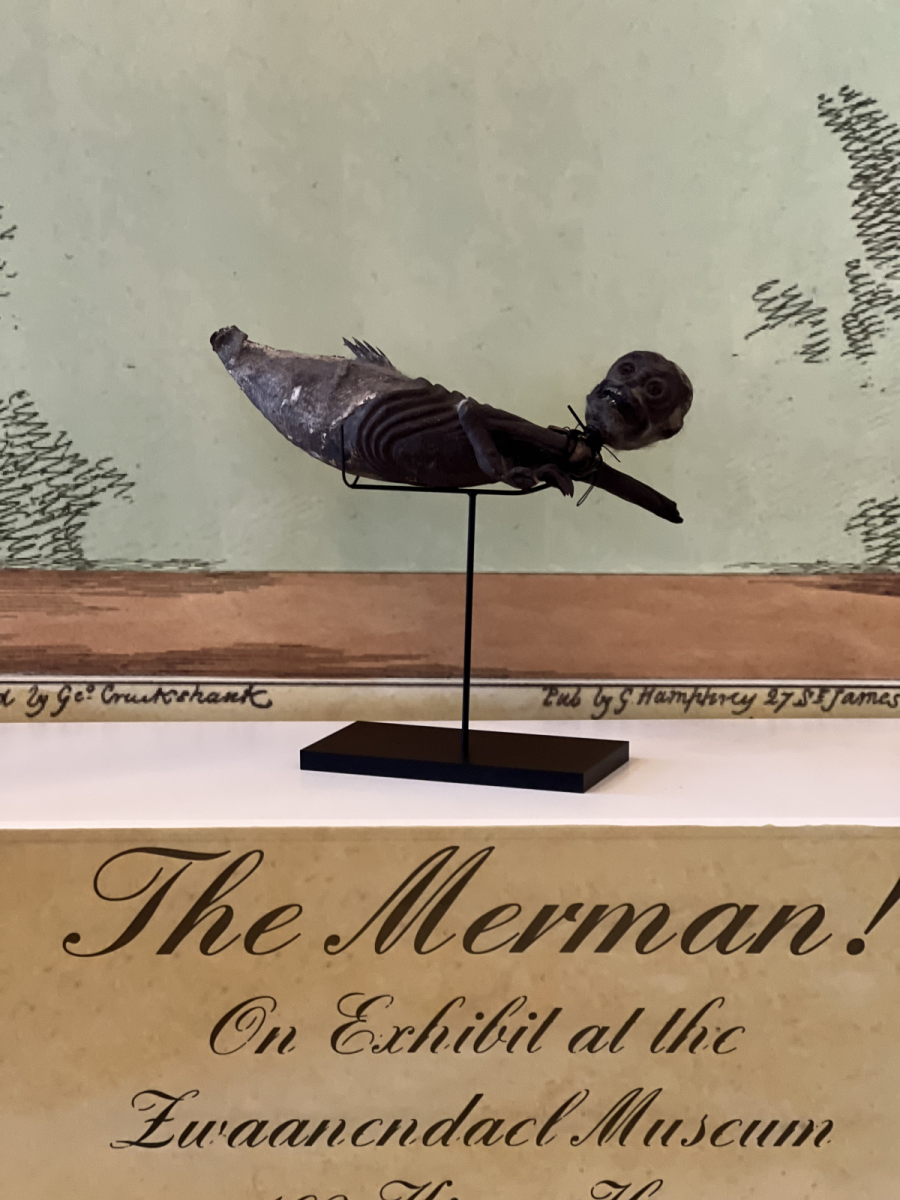
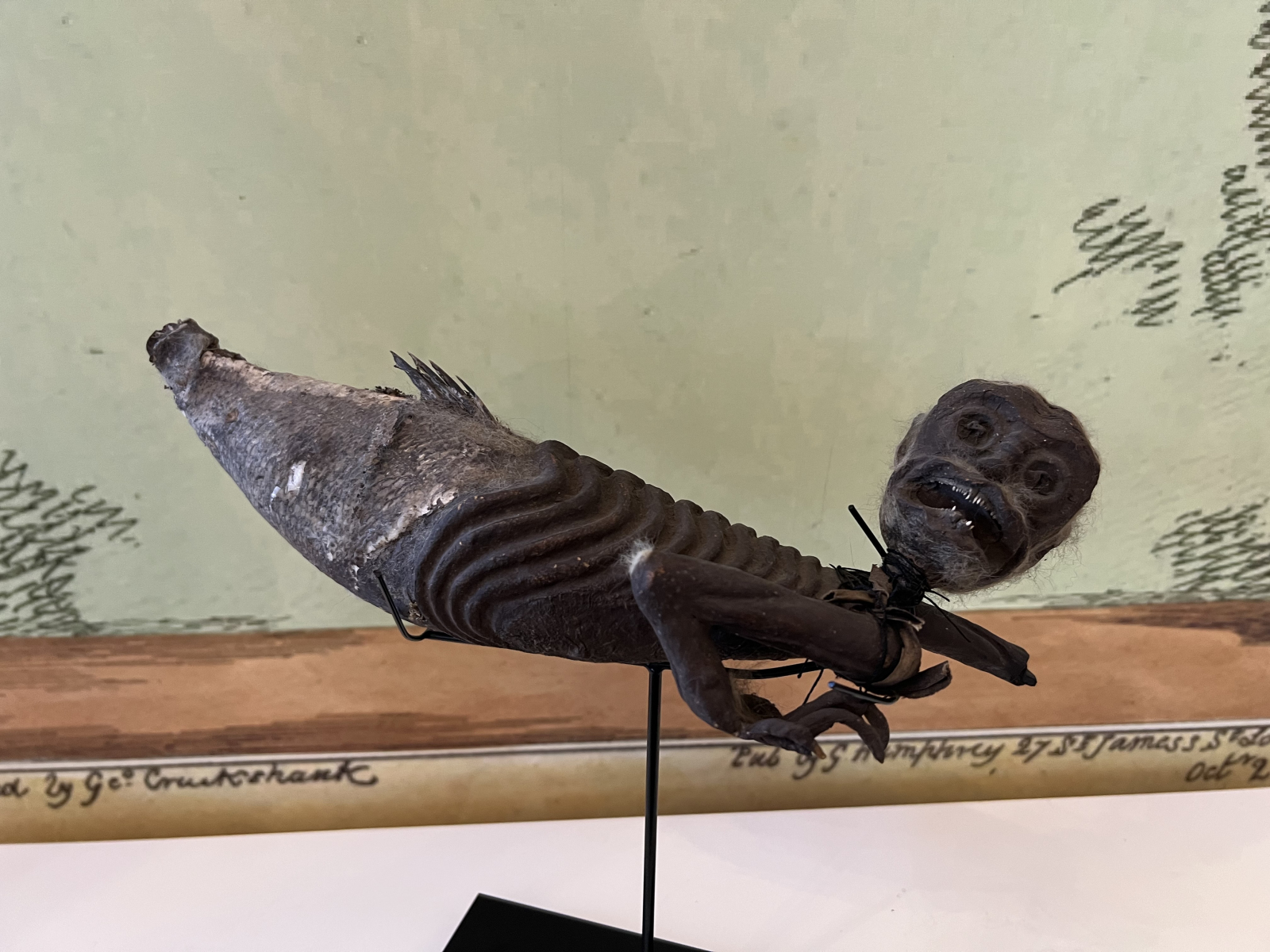
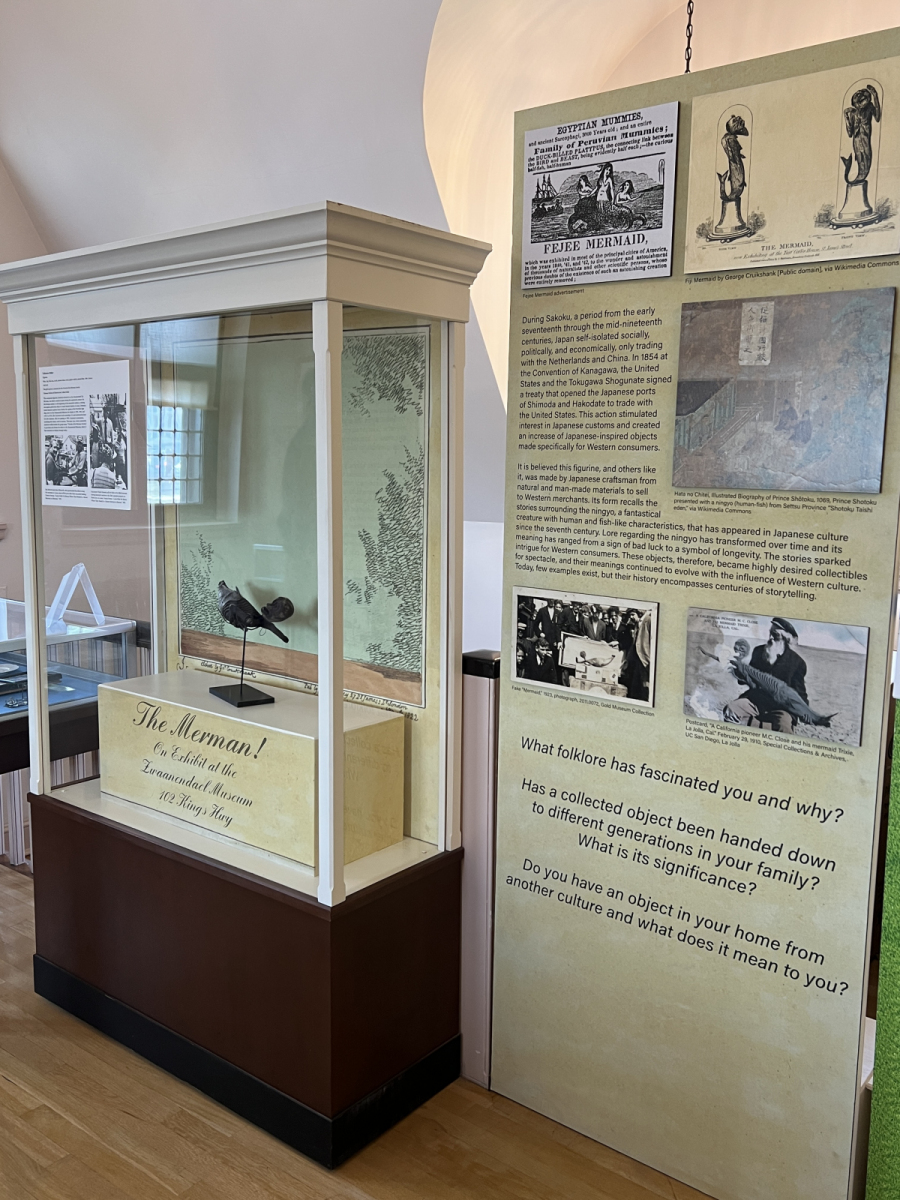
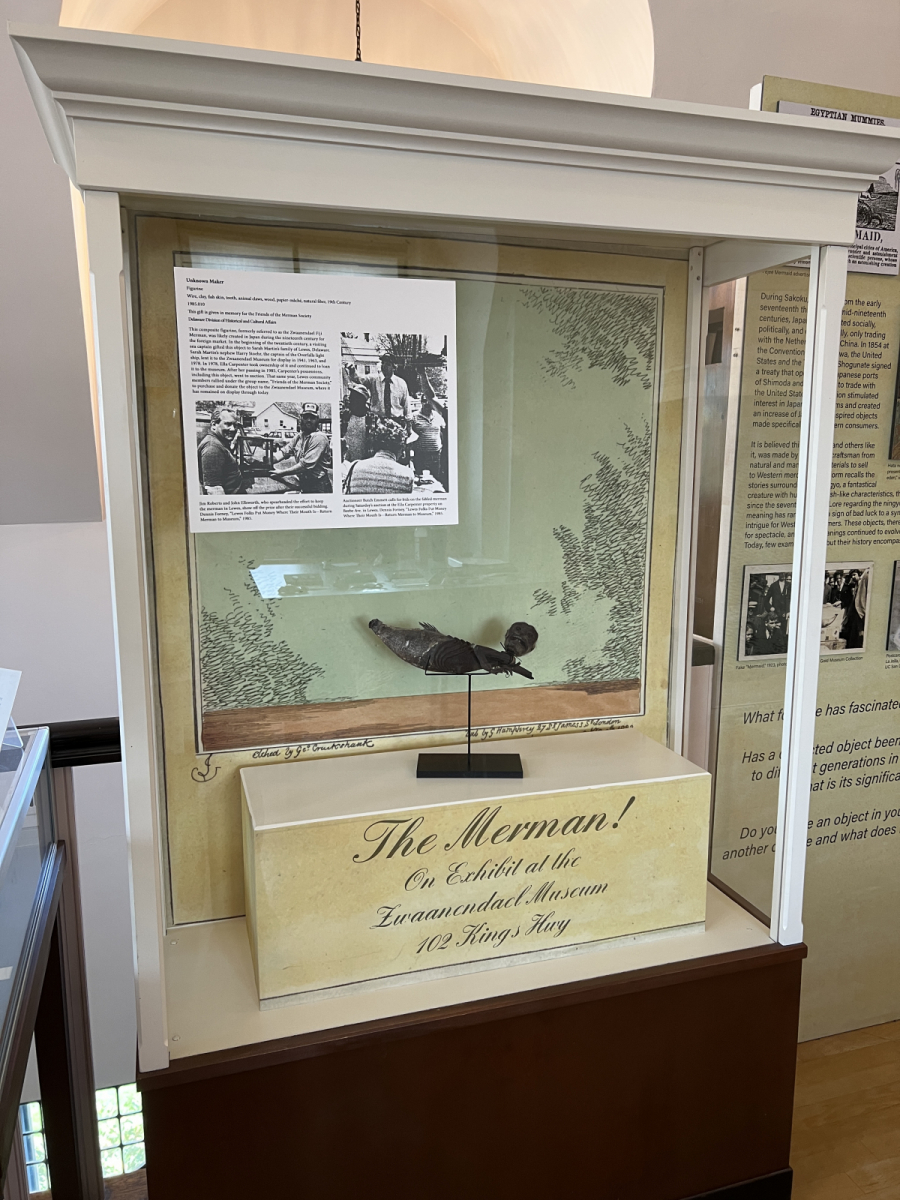
The Zwaanendael Merman
The Zwaanendael Merman was likely created in Japan during the nineteenth century for the foreign market. In the beginning of the twentieth century, a visiting sea captain gifted this object to Sarah Martin’s family of Lewes, Delaware. Often called “Fiji Mermaids” figurines like this were made by Japanese craftsman from natural and man-made materials to sell to Western merchants. Its form recalls the stories surrounding the ningyo, a fantastical creature with human and fish-like characteristics, that has appeared in Japanese culture since the seventh century. The Zwaanendael Merman was first exhibited at the museum in 1941, and has been a permanent exhibit since 1984. The Merman is exhibited on the second floor of the Zwaanendael Museum.